Insect and Spider Identification  
Thumbnail picture of a Giant Mayfly
Giant Mayfly
Thumbnail picture of the Golden Northern Bumblebee
Golden Northern Bumblebee
Thumbnail image of the Pale Windscorpion
Pale Windscorpion
Thumbnail picture of a Grass Spider
Grass Spider
Thumbnail image of a Johnson Jumping Spider
Johnson Jumping Spider
Cicada Molting
  HOME
    · Alderfly/Dobsonfly
    · Bees, Ants, Wasps
    · Beetles
    · Bristletails
    · Butterflies, Moths
    · Centipedes
    · Cicada & Similar
    · Cockroaches
    · Dragonfly/Damselfly
    · Earwigs
    · Flies
    · Grasshopp/Crickets
    · Mayflies
    · Mite or Tick
    · Scorpion or Like
    · Snakeflies
    · Spiders
    · True Bugs
    · Walkingsticks
    · View ALL
  ABOUT BUGS
    · Dichotomous Key
    · Identifying Insects
    · Insect Anatomy
    · Insect Mouth Parts
  SCIENTIFIC
    · Insect Orders
    · Scientific Names
    · Metamorphosis
    · Process of Molting
  MISCELLANEOUS
    · Bees and Wasps
    · Beneficial Insects
    · Field Guides
    · Survive Outdoors

InsectIdentification > Insect Description
 

Silverfish


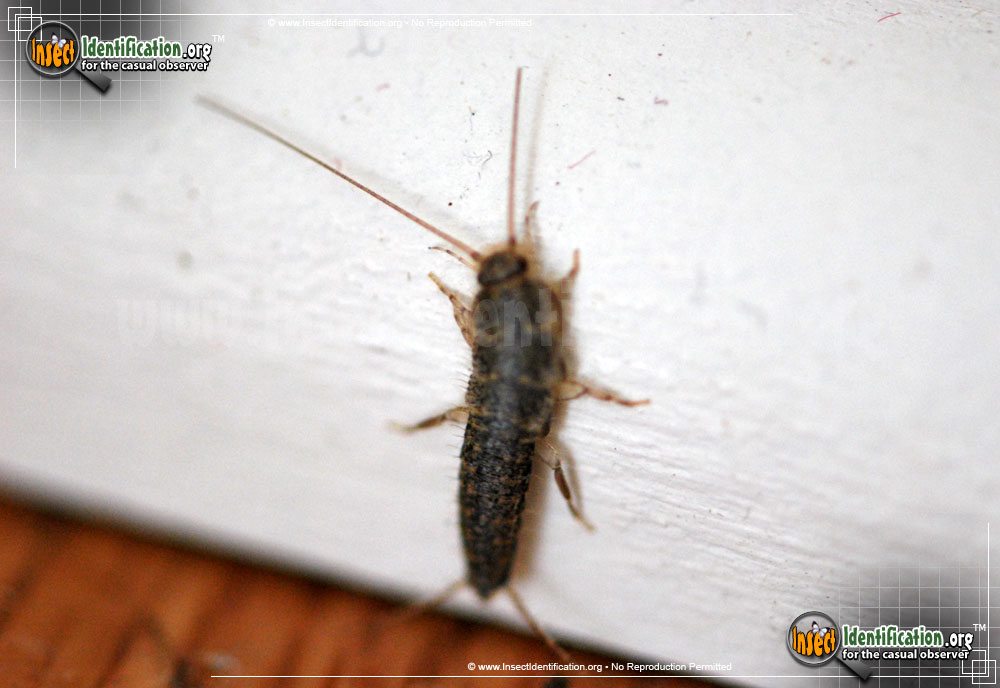
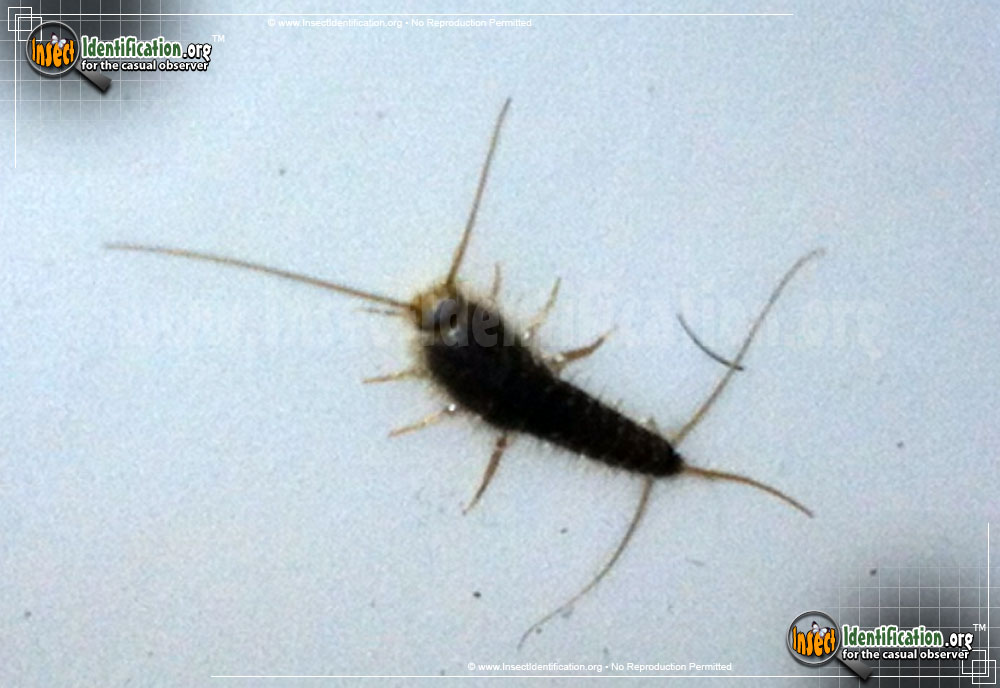
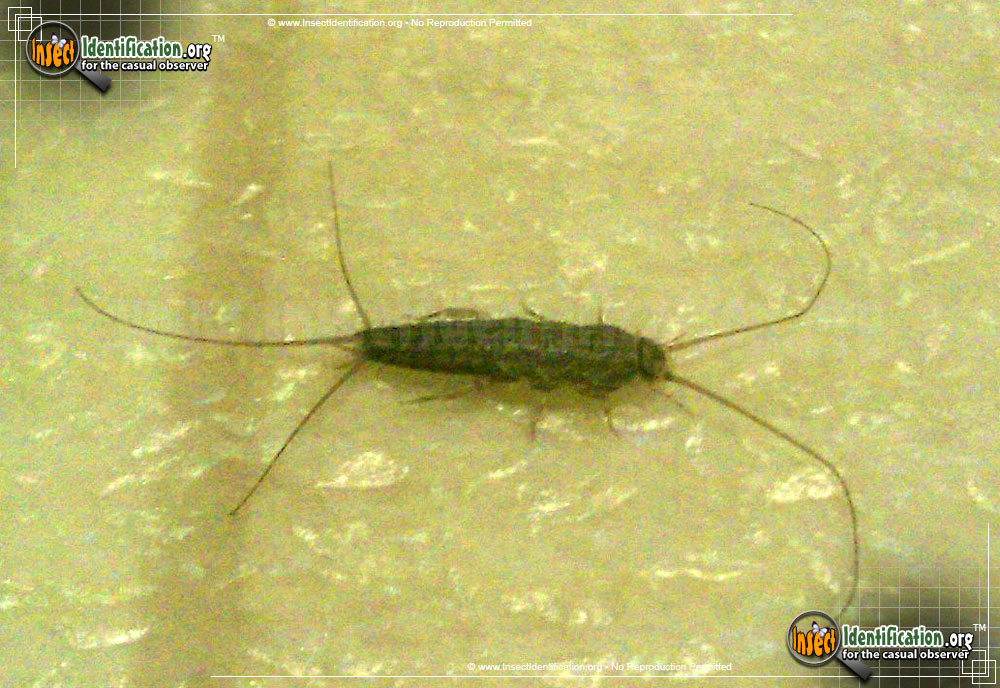
Characteristics: These little pests can be found in the dark warm places of the home. They have a very unique tapered shape and can appear to be very flat. The most noticeable feature of the Silverfish besides their color of silver is the three tails found at rear.

Silverfish are drawn to the dry starchy substances commonly found in pantries. This explains why they might also be found in the pages of old stored books as the printing material used in these items (also found in magazines) becomes a food source to the wandering Silverfish. Amazingly, Silverfish can live for months without eating.

Silverfish bodies are covered with flexible and slippery scales that protect the insect from capture from larger insects such as spider. This body covering also allows them to neatly fit within the pages of a closed book and feed. General length of these creatures comes in at about 9mm to 13mm in total length.

Another interesting facet about these critters is in the time that they take to mature. Southern Silverfish can see adulthood in 24 months whereas Northern-based Silverfish will take longer. No doubt this is due to the warmer temperatures commonly found in the Southern states.


General Adult Size (Length):
10mm to 12mm (0.39in to 0.47in)

Identifying Colors: silver, gray

North American reach includes (may not be limited to): Alabama, Arizona, Arkansas, California, Colorado, Connecticut, Delaware, Florida, Georgia, Idaho, Illinois, Indiana, Iowa, Kansas, Kentucky, Louisiana, Maine, Maryland, Massachusetts, Michigan, Minnesota, Mississippi, Missouri, Montana, Nebraska, Nevada, New Hampshire, New Jersey, New Mexico, New York, North Carolina, North Dakota, Ohio, Oklahoma, Oregon, Pennsylvania, Rhode Island, South Carolina, South Dakota, Tennessee, Texas, Utah, Vermont, Virginia, Washington, West Virginia, Wisconsin, Wyoming

Category: Bristletail
Common Name: Silverfish
Scientific Name: (Lepisma saccharina)

Kingdom: Animalia
  Phylum
: Arthropoda
   Class:
Insecta
    Order
: Thysanura
     Family: Lepismatidae
      Genus: Lepisma
       Species: saccharina


Compare Bug Size

BugFinder - Search Insects by Color and State

Bugfinder Search Engine Select dominant and secondary color then your state.
Dominant Color:
Secondary Color:
State:


Picture of Silverfish
Courtesy of www.Mass.gov

Pic of Silverfish
Courtesy of Nathanial of North Carolina


©2005-2009 InsectIdentification.org • All Rights Reserved • DisclaimerPrivacy Policy
Site Design by Runaway Studios
Business Consulting by KyleWilliams.com

Comments/Suggestions: InsectIdentification at gmail dot com


eXTReMe Tracker