Insect Identification
     
HOME    
 

Insects

BugSearch (BETA)
User Photos
Field Guides
 
Articles Index
Images of Insects

Identifying Insects

Insect Anatomy

Insect Mouth Parts

Insect Orders

Spider Orders

Scientific Names

Metamorphosis

Process of Molting

Bees and Wasps

Helpful Insects

Homemade Ant Farm

Termites

Flies


Site Map

Links
 
Visit Survive Outdoors


The Insect Process of Molting

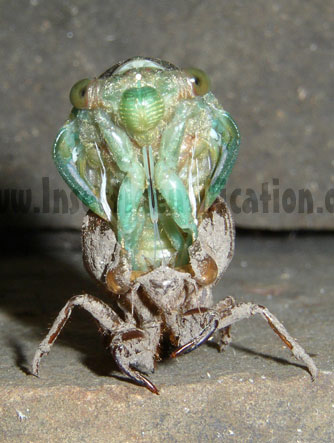
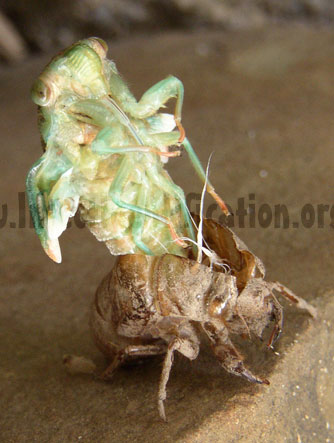
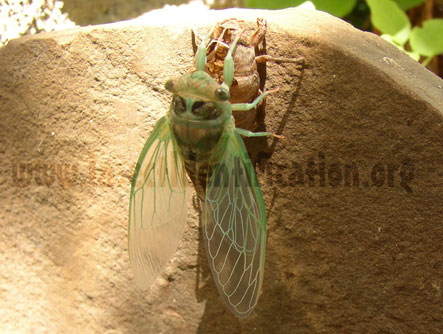
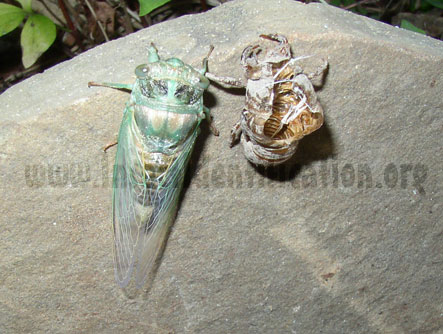
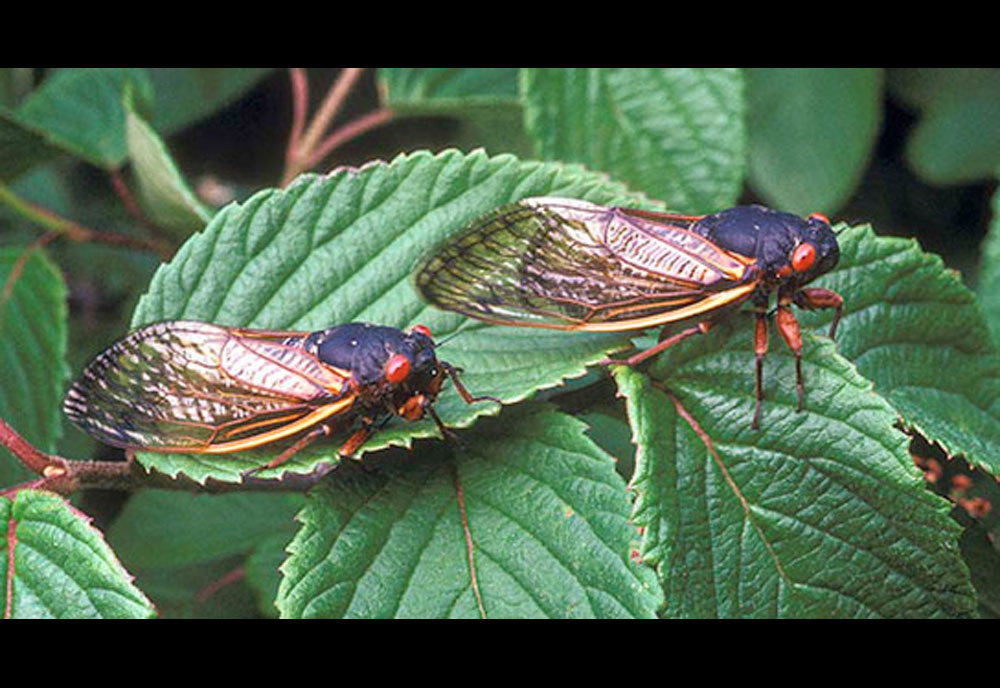
Picture of a molting CicadaMolting is the process by which insects grow. Generally accomplished through the early years of the insect's existence, molting allows the body of the insect to expand under controlled and protected conditions. In comparison, our (human) bodies expand with the growing of our bones and muscles as we age. Insects, on the other hand, utilize what is called an exoskeleton. This exoskeleton is basically their underlying bone structure that is located on the outside of their bodies with corresponding organs and muscles located underneath this hard shell. So in order for the insect to grow - i.e. increase in size - the insect must shed its current skin in favor of the new skin underneath. This process is known in the insect world was molting.

To undergo the process of molting, an insect must begin to take in air or water by either swallowing it in naturally or raising its internal blood pressure. This instigates the process of molting that begins. The result is a soft, expandable exoskeleton suitable for further, albeit limited, growth. This process is repeated several times during the life span of an insect depending on the species. The new exoskeleton will eventually harden and retain the original coloring of the insect as it matures and is exposed to the elements and everyday wear-and-tear.

Depending on the species, molting can actually occur about 5 to 60 times in the life span of an insect and is generally regarded as one of the most vulnerable processes that an insect can go through. Yet this process is naturally required by insects to continue to grow into a full adult stage. Not surprisingly, molting is not limited to insect species alone as even spiders and snakes undergo the procedure as needed.


About InsectIdentification.org: InsectIdentification.org strives (we really do strive!) to provide it's visitors with an optimal resource when researching insects and spiders. Mind you we are AMATEUR bug hunters and do our best with generating the content found on this site. The site was created with the casual observer in mind, and by that we mean people like you, whom are searching for a quick reference for information pertaining to a bug. Our information has come from a variety of public domain sources including official US Government sponsored websites and research that we undertake ourselves. We'd like to promote this free online service to anyone who needs to use it and will continue to provide it for free for as long as possible. Thanks for dropping by.

©2005-2008 InsectIdentification.org • All Rights Reserved • DisclaimerPrivacy Policy • Site Design by Runaway Studios Business Consulting by KyleWilliams.com

eXTReMe Tracker